



Kitchen knives for clean prep and safer cutting
How to choose:
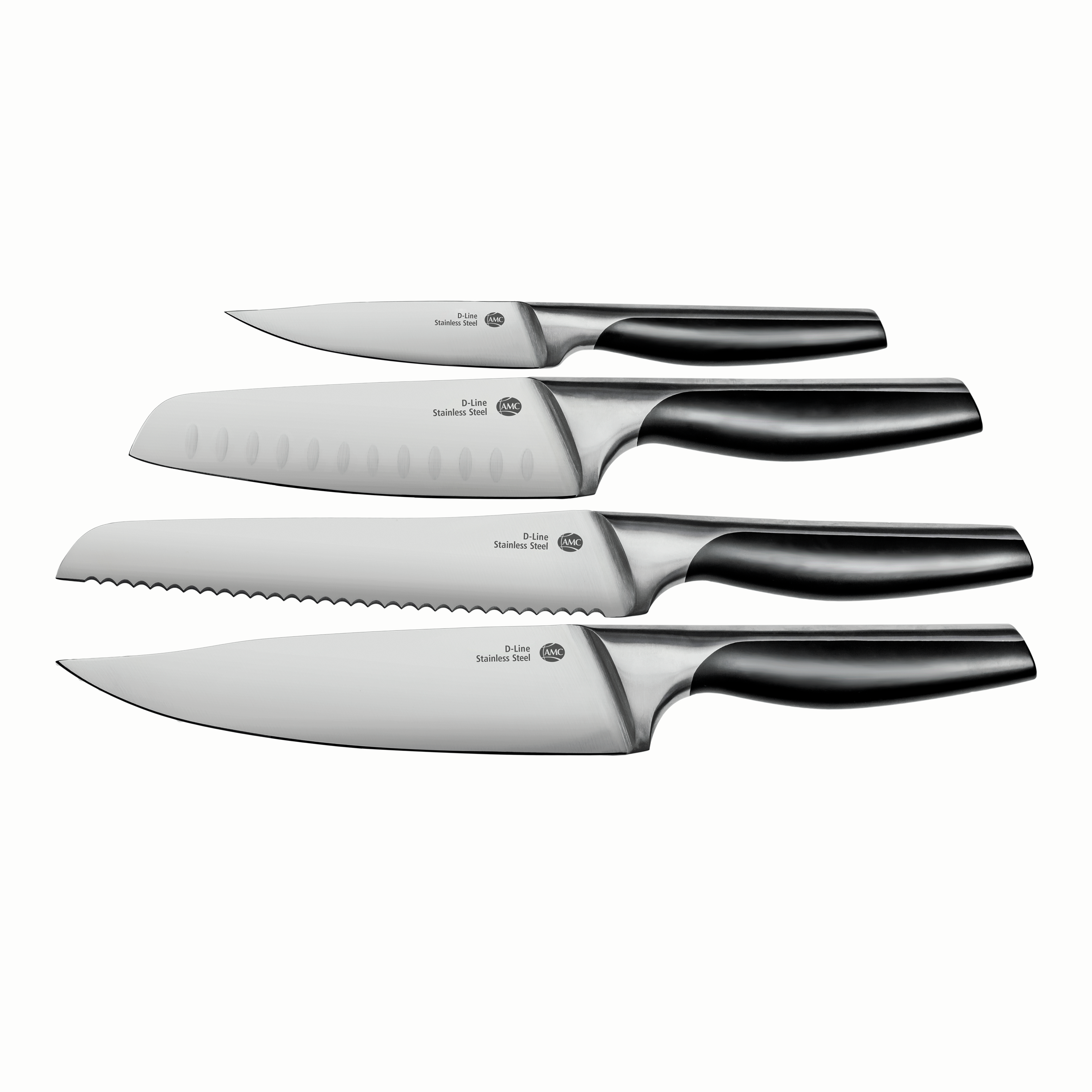
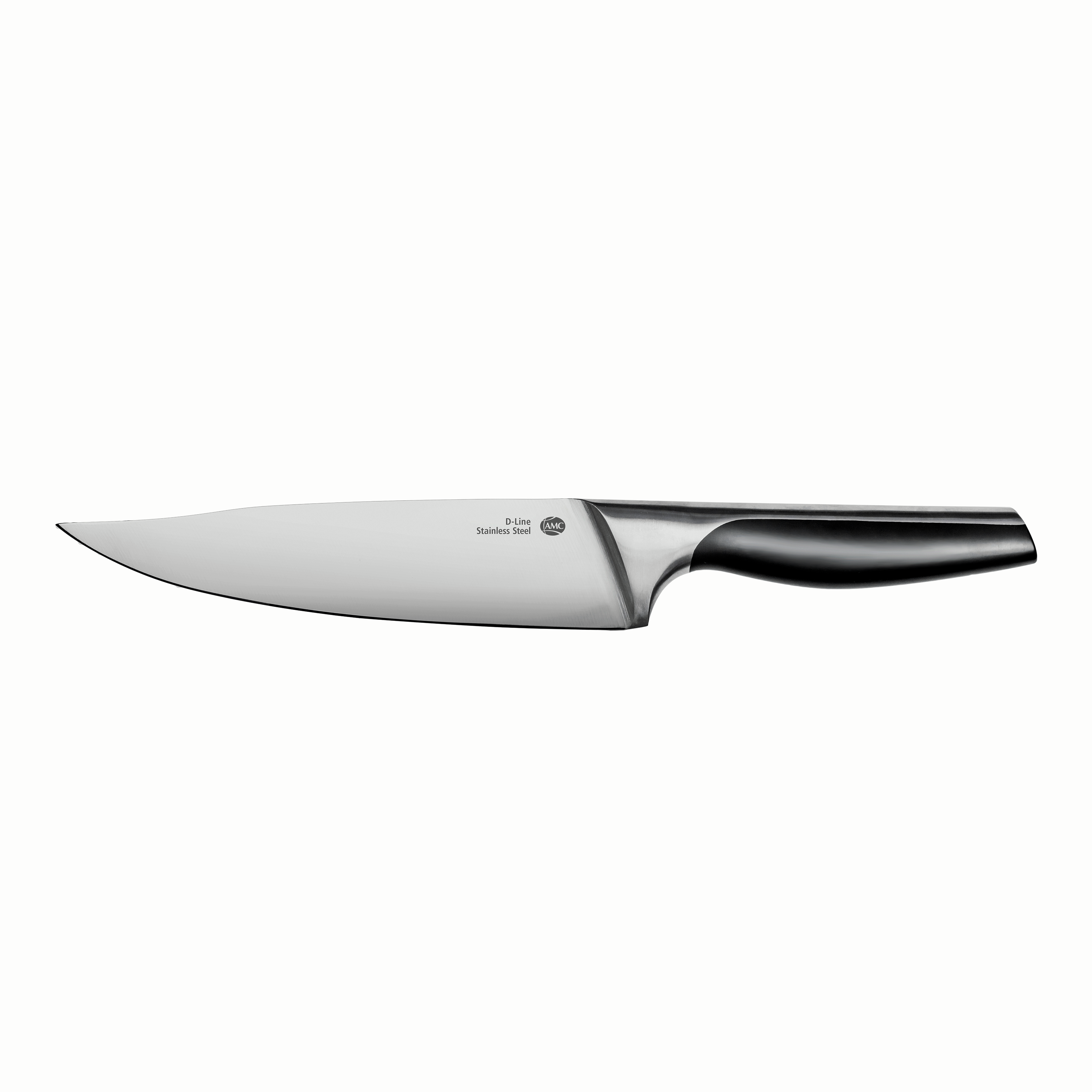
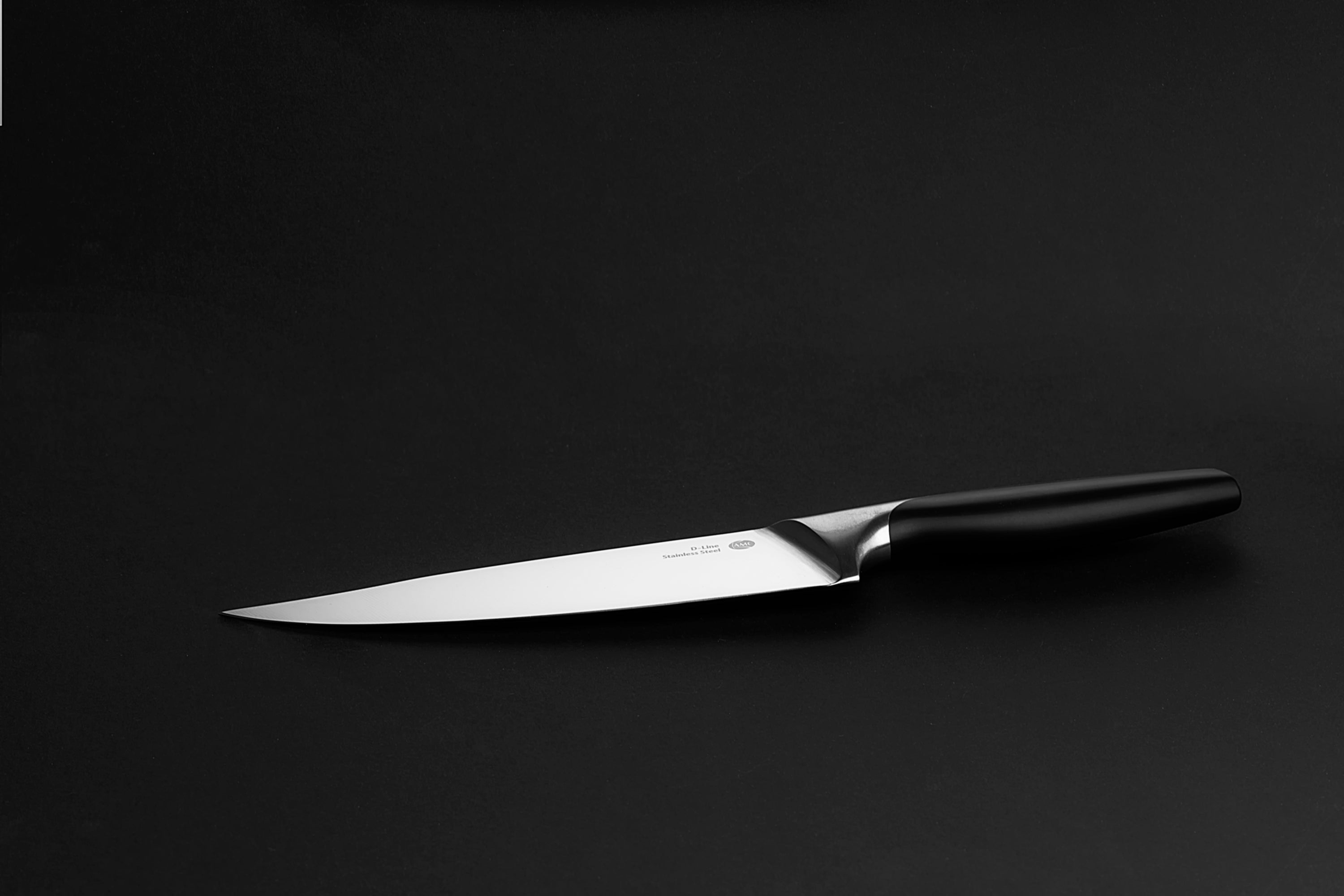
- Chef knife: your all-purpose workhorse for vegetables, proteins, and herbs
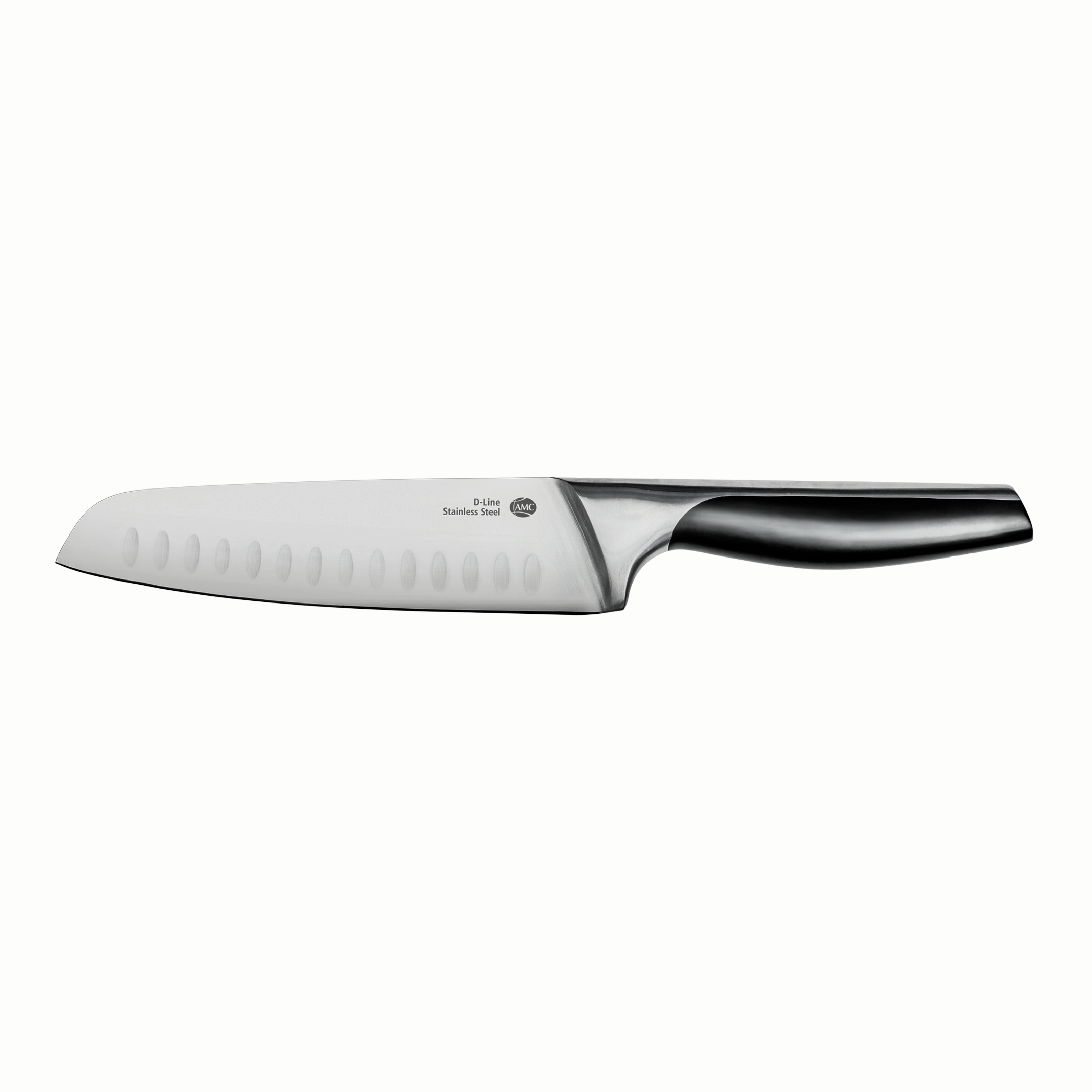
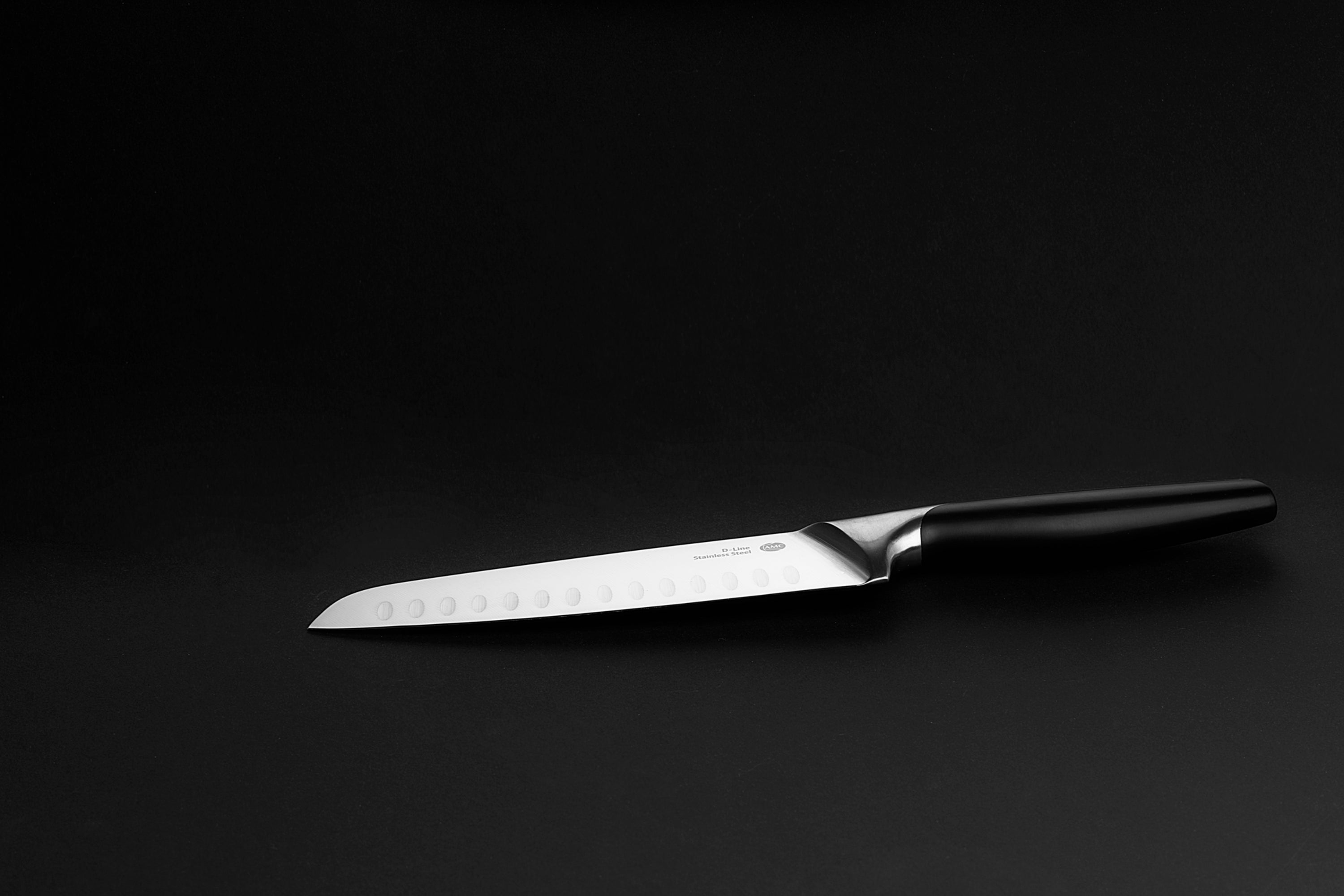
- Santoku: great for quick, controlled slicing and fine chopping (especially vegetables)
- Tomato/utility knife: for delicate skins and clean slices without crushing
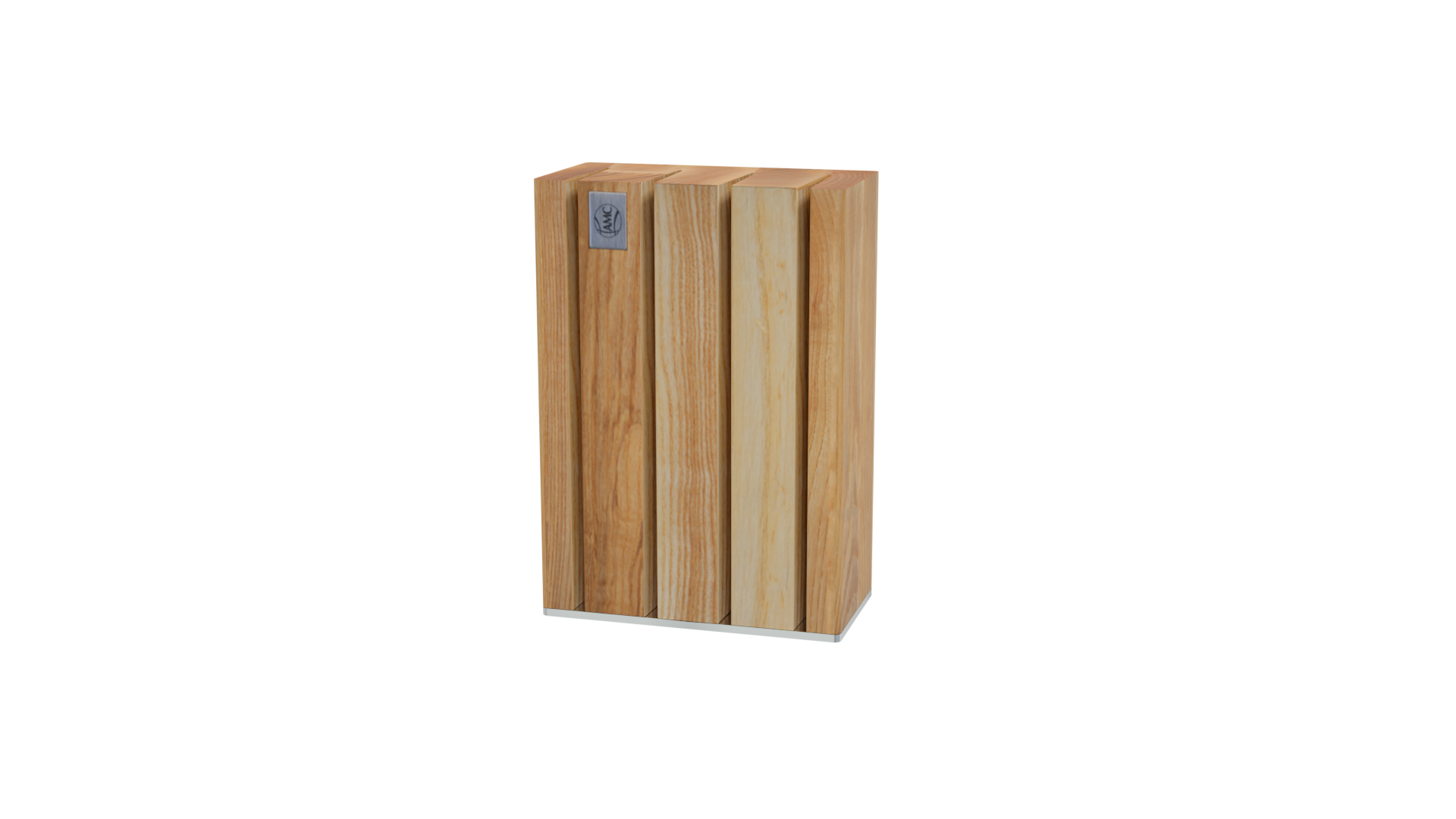
- Knife set + block: best when you want a complete, organized setup from day one
Filters
5 products

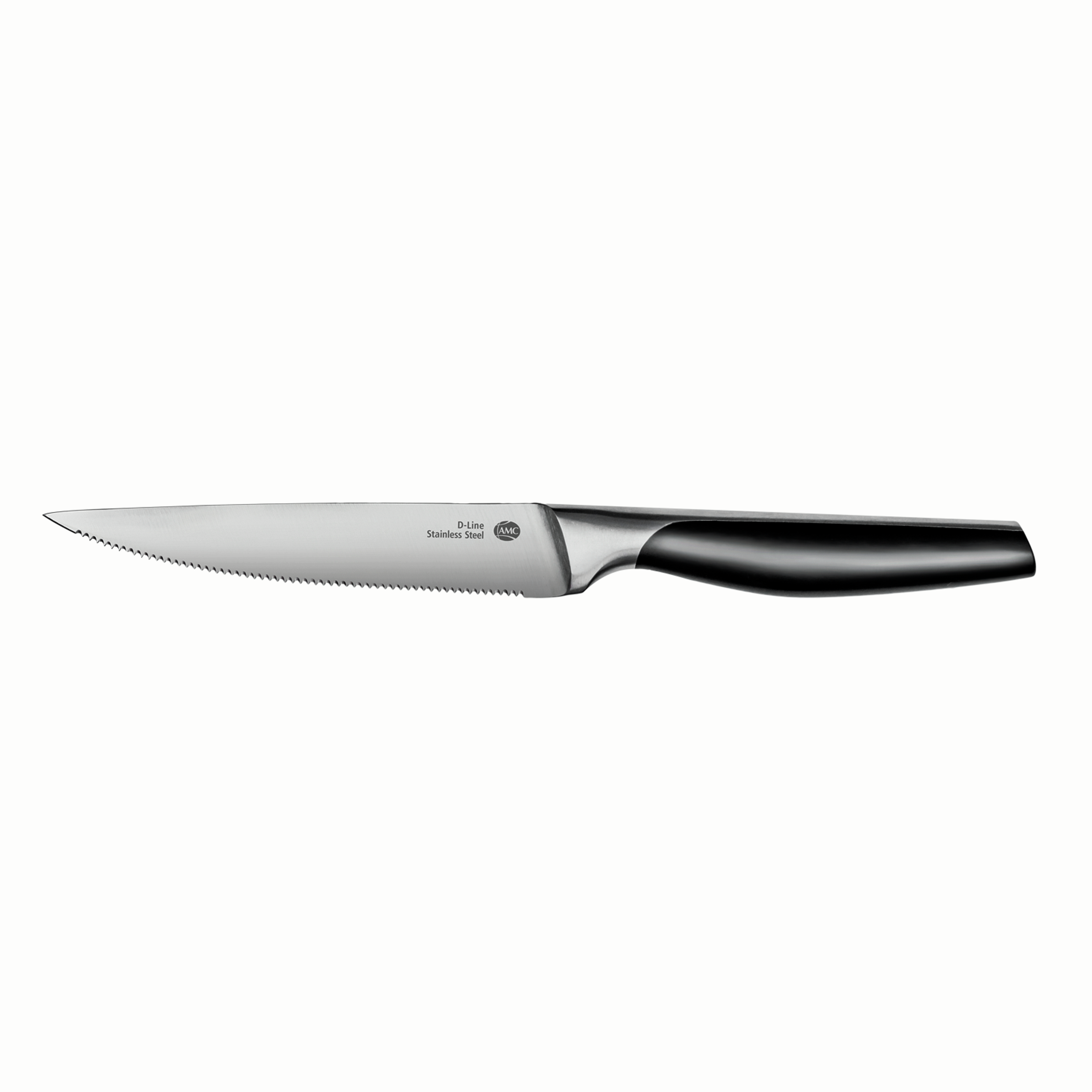
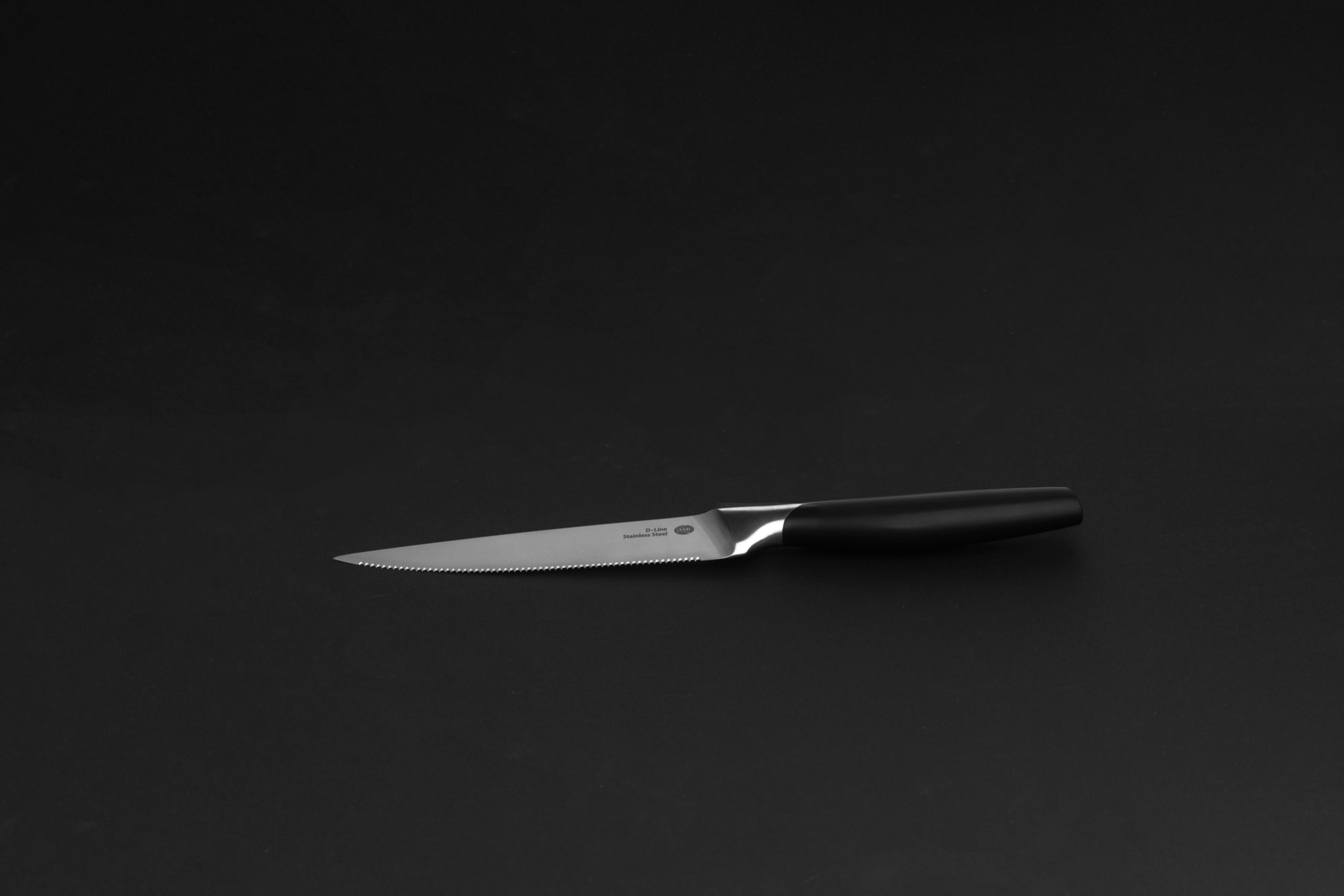

As Seen In


Frequently asked questions
Everything you need to know about this collection — sizing, compatibility, technique, and care.
Which knife should I buy first?
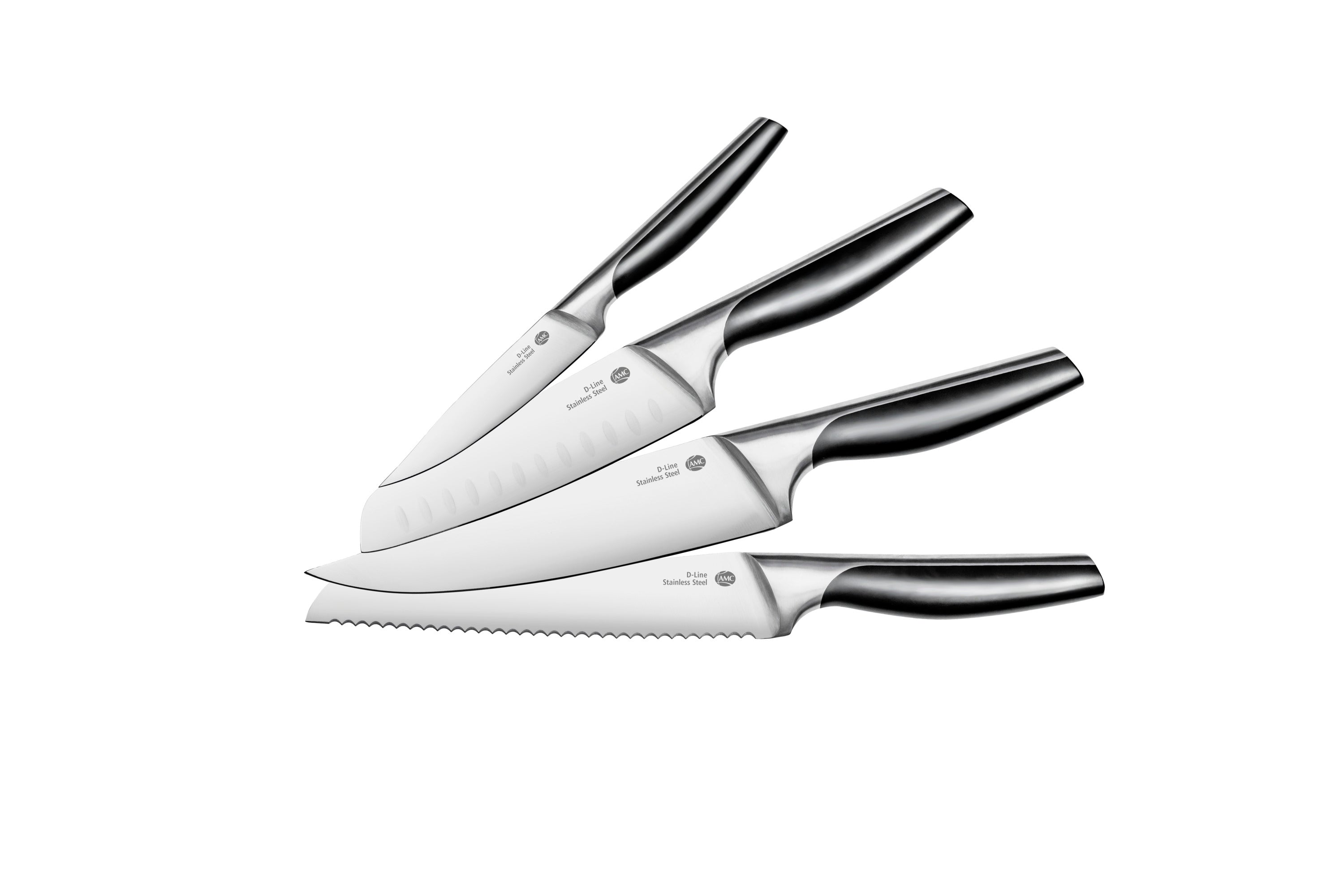
If you can only own one, the D-Line Chef Knife handles 80% of weeknight prep — dicing, slicing, chopping. If you cook a lot of vegetables and lighter cuts, some cooks prefer the Santoku Big for its higher-control profile. The 4-piece Knife Set covers the realistic full kitchen at a bundle price.
What's the difference between the Chef and the Santoku?
Chef knife: curved blade, rocks on the cutting board, ideal for slicing, dicing, breaking down larger cuts. Santoku: flatter, taller blade, designed for an up-and-down chop motion, excellent for vegetables and precision cuts. Both are full-tang stainless steel; the choice is mostly cutting style.
Are D-Line knives dishwasher safe?
Technically yes (the steel and bonded handle will not corrode), but we recommend hand-washing and drying immediately to preserve the edge geometry. Dishwasher cycles knock blades against other items and degrade sharpness much faster than the steel itself does.
How do I keep the edge sharp?
A honing rod every few uses keeps the edge aligned (this is not the same as sharpening — it's realigning a slightly rolled edge). Once or twice a year, sharpen with a whetstone or send the knives to a professional. Stored in the Modular Knife Block the blades stay protected between uses.
Do the knives fit other knife blocks I already own?
Most universal blocks will accommodate them, but the Modular Knife Block is sized specifically for the D-Line series — the slots match each blade's spine height and length, which keeps the edge from contacting wood and dulling between uses.