



You can do everything “right” at the grocery store and miss out on some of the health benefits in your ingredients once you get to the kitchen. Healthy, organic, nutrient‑dense ingredients are only half of the equation. Did you know that how you cook can quietly strip away vitamins like C and many B‑complex vitamins before your body can use them?
This guide shows how to keep more of the good in your ingredients by using cooking methods that preserve vitamins, avoid unnecessary calories, and rely on truly non‑toxic stainless steel cookware. By focusing on preserving nutrients, you can maximize the health benefits of every meal. The outcome: more nutrition from the same food, with higher nutritional value and less effort.
The hidden nutrient leak
Health‑motivated home cooks typically already know how to invest in fresh produce, high‑quality proteins, and good organic options. But common cooking methods—especially boiling and high‑heat frying—and different cooking methods can destroy or wash away a surprising amount of heat‑sensitive vitamins.
Water‑soluble vitamins like vitamin C and many B vitamins dissolve into cooking water and break down faster at high temperatures, leading to significant vitamin losses. That means a pot of boiling vegetables can end up more nutritious in the sink than on the plate. What you cook is only as powerful as how you cook it, since different techniques can greatly affect the nutrient content of your food.
The smart steaming duo
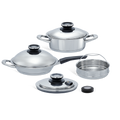
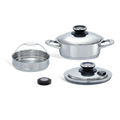
 Steaming Lid EasyQuick
$280.00
Steaming Lid EasyQuick
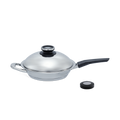
$280.00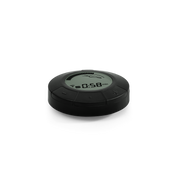 Audiotherm
$125.00
Audiotherm
$125.00
Here are some science-backed cooking methods and a practical system you can follow to maximize bioavailability when cooking at home.
Best cooking methods for nutrient retention
Cooking food has lots of important benefits—it improves digestibility, kills pathogens, and can unlock certain nutrients. But not all heat is equal. The way you are preparing food—whether by steaming, roasting, or using low-temperature techniques—can significantly impact nutrient retention, flavor, and overall health benefits. Research shows there are some clear winners (and losers) when it comes to cooking methods that maintain more vitamins, especially vitamin C. To accurately assess nutrient preservation, it's important to consider the true retention of vitamins, which measures the actual amount of nutrients retained after cooking.
How Different Cooking Methods Compare
- Boiling: When vegetables are submerged in water, vitamins C and B easily leach out. Prolonged boiling accelerates nutrient loss. Some vegetables can lose most of their vitamin C this way, and other water-soluble nutrients, including vitamin K, are also significantly reduced.
- Frying: High temperatures increase oxidative stress on sensitive compounds and introduce excess fats. Overheated oils may form unwanted by-products, while frying reduces the content of delicate nutrients in vegetables.
- Steaming: Steaming preserves more vitamins than boiling because food is not immersed in water. However, exposure to high heat and oxygen still leads to gradual nutrient loss.
- Microwave Cooking: Microwaves heat food quickly by agitating water molecules. Short cooking times may help retain some nutrients, but uneven heating and structural changes can occur. Depending on the vegetable and duration, important vitamins such as vitamin K may still be reduced.
The clear winner: Low-moisture, low-temperature, closed-lid cooking.
Using minimal water and cooking food in its own steam helps retain significantly more vitamin C than boiling or open steaming. When combined with shorter cooking times, this method can preserve up to 50% more vitamins, including vitamin K, compared to high-heat, water-heavy techniques.
Benefits of Cooking with Less Water
Waterless cooking creates a gentle, controlled environment for your food. Instead of immersing ingredients in large amounts of water, this method relies on the natural moisture already present in fresh vegetables and other foods.
This approach preserves flavor, texture, and valuable fat-soluble vitamins such as vitamin E (α-tocopherol) and beta-carotene. These nutrients are often lost during traditional cooking methods like boiling or microwaving.
How low-water steaming works
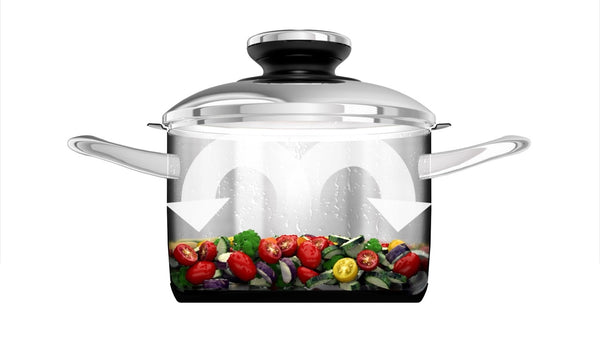
Here’s how you can steam your food to retain more nutrients next time you cook. Use a heavy lid that fits tightly to create a tight seal as the pot warms up. The existing moisture in the ingredients you’re using turns to steam, which expands and pushes out residual air. Then, as it cools and condenses on the lid, the water drips back down into the pot. This creates a self‑contained steam cycle at temperatures lower than a full rolling boil, often in the 90–100°C range. Because the steam is trapped and recycled, water‑soluble vitamins and minerals stay in the ingredients instead of leaching out in the cooking liquid.
Steaming is especially effective for preserving vitamin C in both frozen vegetables and raw vegetables, as it minimizes water contact and reduces nutrient loss compared to boiling.
Accurate nutritional information about your meals depends on the cooking method used, as different techniques can significantly affect vitamin retention.
Low temperature cooking: gentle heat, more vitamins
Low temperature cooking is a game-changer for anyone looking to maximize the nutritional quality of their meals. By using gentle heat, you can cook food thoroughly while protecting delicate vitamins that are easily destroyed by high heat—especially vitamin C. This approach is perfect for preparing vegetables, fish, and eggs, where maintaining vitamin content is key.
Methods like sous vide, slow cooking, and gentle steaming allow you to cook food at a controlled, lower temperature. For example, sous vide involves sealing food in a bag and immersing it in a water bath set to a precise temperature, ensuring even cooking without the risk of overheating. Slow cooking, whether in a slow cooker or on the stovetop, also keeps temperatures low and steady, helping to retain more vitamin C content and other sensitive nutrients.
Cooking vegetables at a low temperature means you’re less likely to lose those valuable vitamins to the cooking process. The result? Meals that are not only flavorful and tender, but also packed with more of the good stuff your body needs. If you want to get the most out of your ingredients, low temperature cooking is a simple, effective way to boost the vitamin content of your food.
Less fat = fewer calories
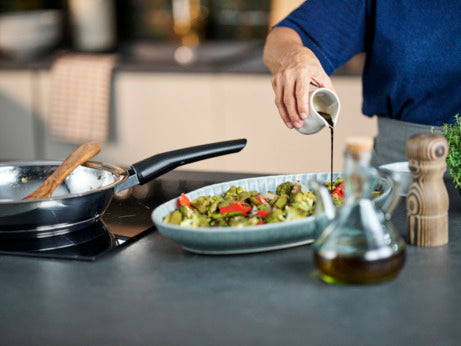
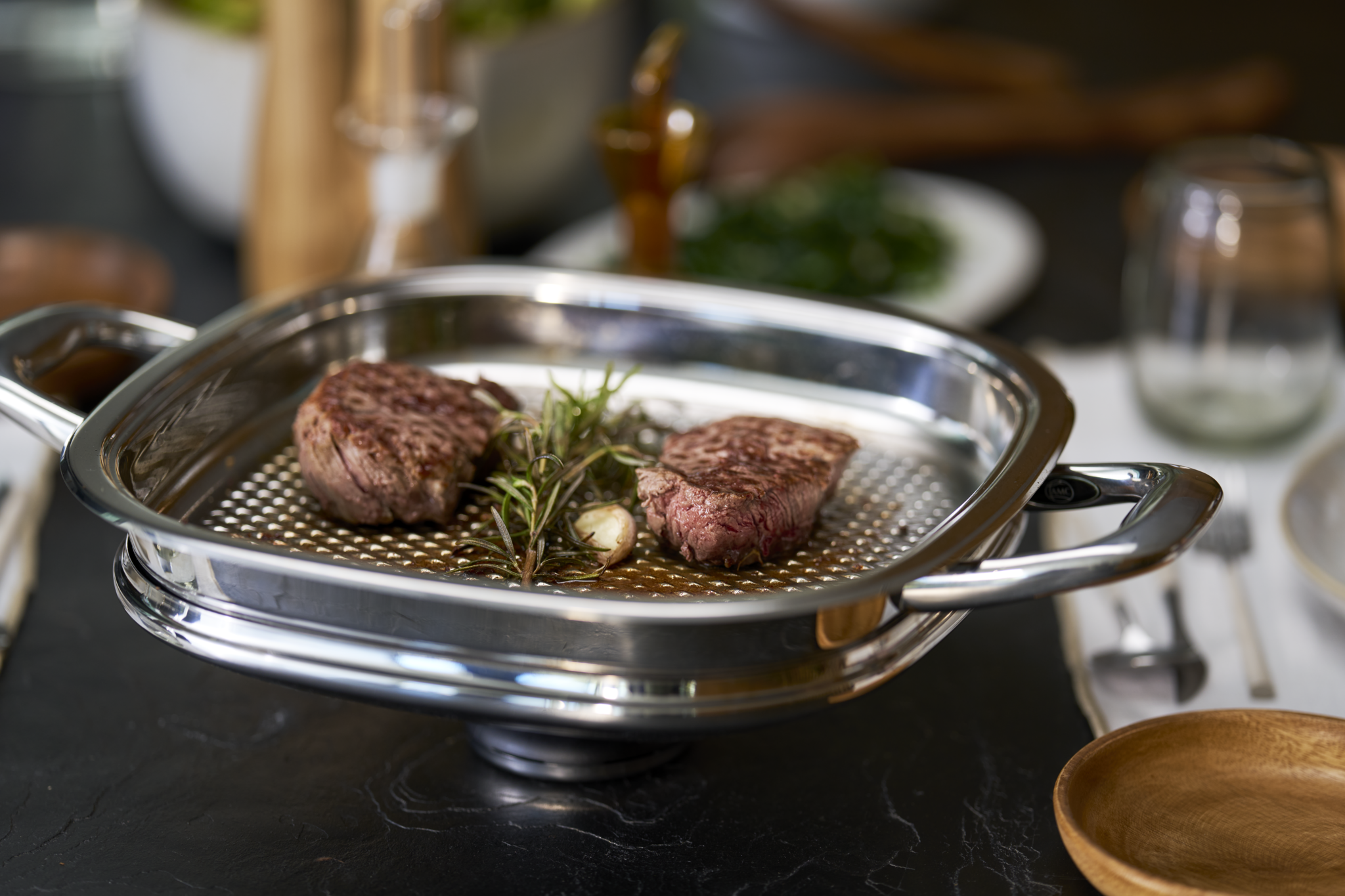
Another practical benefit: when your food isn’t dry or scorched, you don’t need to use as much oil or butter to prevent sticking. Waterless, low‑temperature cooking preserves natural juices to help prevent burning—especially when you use high‑quality stainless steel cookware that keeps temperatures constant. That lets you cook vegetables and proteins, such as meat, with little or no added fat, which cuts significant calories without changing portion sizes, and gives you more nutrients per calorie. Stir frying is another healthy cooking method that uses less fat and preserves nutrients by quickly cooking food at high heat with constant stirring.
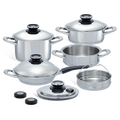
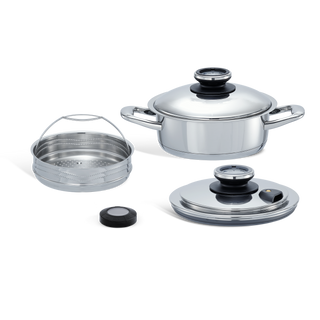
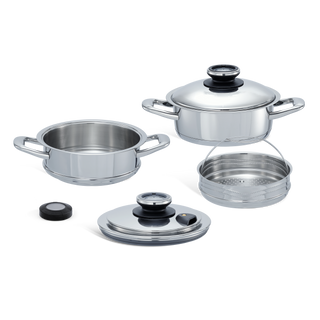
A by AMC cookware is made for low-water and low-fat cooking. The tight-fitting lids keep a reliable vapor seal and Akkutherm stainless steel base maintains consistent temperatures. That helps your food cook in its own juices—which preserves vitamins and reduces the need for added fats. Cooking meat with these methods helps retain nutrients and reduce fat content, making meals healthier overall.
Why non‑toxic stainless steel cookware matters
The right cooking methods don’t mean much if the cookware you’re using puts unsafe chemicals into your food. Exposure to toxic substances, such as those formed by certain nonstick coatings or improper cooking techniques, can pose health risks and undermine nutrient preservation. But conflicting information about PFAS and Teflon‑style coatings, and greenwashed marketing claims can make it hard to know what’s truly safe.
Clearing up the coating confusion
Traditional nonstick coatings typically rely on PTFE or related fluoropolymers and PFOA during manufacturing— which are concerns when discussing the dangers of “forever chemicals”. Even pans labeled “PFOA‑free” may still use PTFE surfaces that can degrade at very high temperatures and can easily scratch and peel over time.
Ceramic-coated options avoid PTFE, but may still include a relatively thin non-stick layer that can wear down, chip, or lose performance. That means you may end up purchasing and re-purchasing pans as they degrade over time, and spending more money than you would on one high-quality stainless steel pan that can last a lifetime.
Why choose high-grade stainless steel
High-quality stainless steel is valued because it’s resistant to corrosion, doesn’t react with most foods, and is structurally stable at normal cooking temperatures. Unlike bare aluminum or copper, you can cook acidic sauces without affecting the taste of your dish. And unlike coated pans, stainless steel cookware has no surface coating to chip or leach.
Cookware with a multi-layer heavy base promotes even heat distribution (like A by AMC’s Akkutherm base) and makes waterless, low-temperature cooking simple and non-toxic.
More ways to keep more nutrients in your meals
A few small changes to your cooking habits can help you increase the good vitamins and nutrients in your meals. Here’s how.
-
Rinse and don’t dry
After washing your produce, let it drip without fully drying. The residual water can help generate steam when using the closed-lid, low-temperature method. This is especially helpful for root vegetables and potatoes, which benefit from gentle steaming to retain more nutrients. -
Cold start for better texture
Place rinsed vegetables into a cool stainless-steel pot with the lid on rather than boiling or searing. Gently bringing the temperature up softens cell walls rather than breaking them, which helps keep more nutrients in the food. This method is particularly effective for preserving heat-sensitive vitamins like folic acid (Vitamin B9) and vitamin A (from beta-carotene) in vegetables. -
Low and slow finish
Once your food starts steaming, let residual heat do most of the work. Turn down the burner and check in every so often, without having to keep a close watch over the pot. Smart technology (like our Audiotherm device and Cook&Go app) makes it even easier to know when it’s time to flip or stir. Gentle cooking also helps maintain the antioxidant activity of vitamins, such as vitamin E, supporting better nutrient preservation.
Try it yourself
Not all cookware is made for low-water, low-fat cooking. Here’s how to test what you already have at home:
- Add a small amount of water to your pot. Put the lid on and turn up the heat until it just starts steaming.
- Turn the heat down and check for a ring of moisture at the rim of the lid. If the lid feels lightly “stuck” from suction, that indicates a decent seal.
- If a lot of steam escapes from the sides of the lid and water evaporates quickly, the pot is likely losing too much moisture. That will make it hard to cook with less water and fat and still get the same results.
To assess nutrient retention, try comparing your cooked food to its fresh counterpart.
Upgrade your cookware
If your existing pots and pans don’t pass the test, it’s probably time for an upgrade. Cooking with less water and fat can take some getting used to, but the health benefits are worth a little effort. The right pots and pans can make it a breeze.
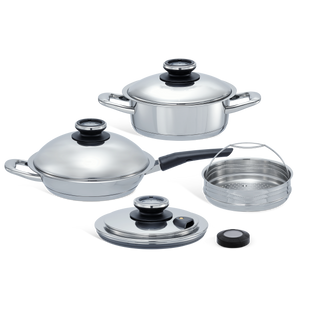
For the best value, check out our cookware sets made to support every kind of chef—whether you’re just starting out or have been cooking for years.
Preserve the nutrients
Find the right set for your kitchen

Leave a comment
This site is protected by hCaptcha and the hCaptcha Privacy Policy and Terms of Service apply.