





Time-Saving Cooking Techniques and Healthy Habits: Small Changes for Big Health Gains and Lifelong Wellness
Healthy living has a few simple rules most people understand—eat a balanced diet, reduce calories, increase body movement. When it comes to changing habits, most people don’t fail because they don’t care—they burn out when they try to fix everything all at once. The “all‑or‑nothing” mindset—perfect diet, daily workouts, hours of meal prep—turns genuine motivation into paralysis and procrastination.
To begin your journey toward better health, focus on making one small healthy change at a time. Starting with manageable steps and concentrating on specific habits can help you build sustainable routines and see real progress.
Practicing long-term wellness comes from small, repeatable micro‑habits that fit into the daily habits you already have. Even micro changes can add up over time, helping you create sustainable routines and achieve real progress. This is especially true in the kitchen, where small choices about heat, time, and tools can shape how nourishing your meals really are.
Introduction to a Wellness Journey
Starting a wellness journey is one of the most rewarding ways to invest in your health and well-being. By developing healthy habits—like healthy eating, regular physical activity, and positive thinking—you can make a real difference in your overall health. The American Cancer Society encourages making small changes to your daily routine, such as adding more vegetables to your meals or taking a few extra steps each day, to help reduce your risk of chronic diseases and boost your energy.
A wellness journey isn’t just about physical health; it’s also about supporting your mental health and building a positive mindset. When you focus on healthy choices and stay committed to your goals, you’ll notice improvements in your mood, energy, and overall well-being. Remember, every small change you make—whether it’s eating an extra serving of vegetables or taking a short walk—brings you closer to better health. By embracing these habits and making them part of your daily routine, you’ll set yourself up for a healthier, more vibrant life.
Building a Foundation for Good Health
Creating a strong foundation for good health starts with making intentional choices every day. Adopting a healthy lifestyle means prioritizing healthy eating, staying active, and keeping your body hydrated. Simple habits, like choosing whole foods, limiting added sugars, and including more protein in your meals, can help you maintain a healthy weight and lower your risk of chronic diseases.
Physical activity is just as important—aim for at least 30 minutes a day to support cognitive function, reduce stress, and improve your overall health. The National Institute of Diabetes and Digestive and Kidney Diseases recommends making movement a regular part of your daily routine, whether it’s a brisk walk, a quick set of push-ups, or a dance break in your living room. Don’t forget to drink plenty of plain water throughout the day to stay hydrated and keep your body functioning at its best.
By weaving these healthy habits into your lifestyle, you’ll not only feel better but also set yourself up for long-term success. Small, consistent changes in your diet and activity level can have a big impact on your health, helping you feel more energized and resilient every day.
The all‑or‑nothing trap and why it fails
Many health‑motivated optimizers approach change like a project plan: overhaul the pantry, switch to only fresh and organic foods, prep every meal on Sundays, and never order takeout again. That level of ambition looks good on paper but doesn’t always work in real life—work deadlines, after school activities, general fatigue, and everyday unhappy surprises. When the ultra-optimized plan hits a snag, it’s easy to slip into an “I blew it, so why bother?” spiral and give up altogether.
A more effective approach is the “1% better” principle: start so small it feels almost trivial, then repeat it until it’s automatic. Incremental improvements are more sustainable and effective than drastic changes, making it easier to stick with new habits over time. Micro‑habits that take under two minutes—washing produce while coffee brews, chopping one extra carrot at dinner, filling a water bottle when you walk into the kitchen—only take a little bit of awareness and not much willpower.
Over time, these tiny actions accumulate into a regular healthy habit. And a new healthy habit can turn your story from “Cooking at home is a chore,” into “I’m someone who cooks at home most days.” Once your self-identity shifts, forming new habits becomes much easier and can lead to lasting change.
A hidden problem: cooking habits that destroy nutrients
Even people who manage to cook at home can accidentally work against their health goals when it comes to how they cook.
Traditional “fast” cooking shortcuts often include:
- Very high heat in a pan, which can degrade heat-sensitive vitamins and dry out proteins.
- Long boiling in lots of water, where water-soluble vitamins like C and many B vitamins leach into the cooking liquid that gets poured down the drain.
- Heavy use of oil and butter to prevent sticking, which inflates calories without adding meaningful micronutrients.
The result is time-saving “healthy cooking” that may look or taste good, but delivers fewer nutrients than expected and uses more energy than needed.
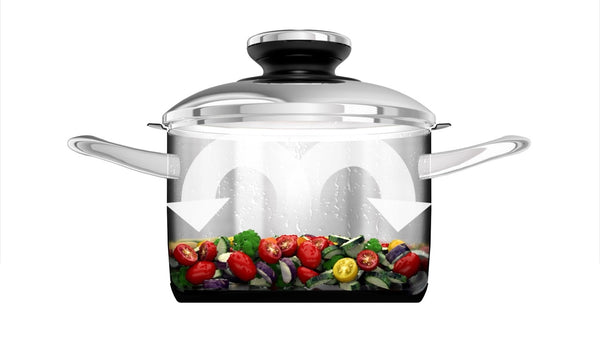
A better strategy is to think not just about speed but also about nutrient preservation and retention: lower heat, covered pots, minimal added liquid, and tools that don’t compromise taste or quality. This is where low-temperature cooking methods really matter—gently heating food with minimal water keeps vitamins in your ingredients, not in the sink. Research suggests these techniques can help preserve more nutrients compared to traditional high-heat or water-intensive methods.
Cook faster, hands-free
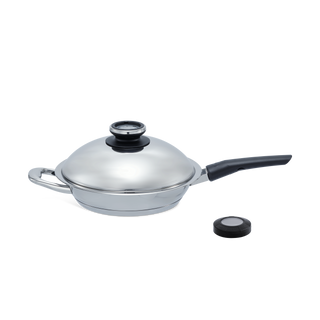
 Grill Pan with Lid
$445.00
Grill Pan with Lid
$445.00 Audiotherm
$125.00
Audiotherm
$125.00Practical tips that make healthier cooking easy
Focusing on these five tiny, actionable habits—like making simple swaps—can help you eat healthier and dramatically improve both what and how you eat.
Adding Variety to Daily Routines
Keeping your wellness journey fresh and exciting is key to staying motivated. Adding variety to your daily routines can help you stay focused and make healthy living feel less like a chore. Try exploring new recipes that feature different vegetables or whole grains, or experiment with healthy snacks like fruit and veggie sticks to boost your energy and support weight management.
By adding variety to your meals, you’ll make it easier to stick with your health goals and enjoy the process. Small changes, like trying a new recipe or taking a different walking route, can make a big difference in your motivation and results.
Habit #1: Cook once, eat twice
Already cooking? Make extra portions.
- Double the protein at dinner (chicken, tofu, beans) and immediately pack half for tomorrow’s lunch or a later meal.
- Roast extra vegetables on the same tray and store them for an easy upgrade to bowls, omelets, or quick sides.
Cooking extra portions is a simple way to save time on busy days, since you’ll have healthy meals ready to go without extra effort. This approach is known as meal prepping, a strategy that helps make healthy meals more accessible and convenient throughout the week.
Even if it’s just enough for one extra meal, you’ve already set yourself up for success next time you’re ready to eat. This habit reduces decision fatigue and makes it much easier to stick to your goals.
Habit #2: Reduce oil, not flavor
You do not need excess oil to make food taste good.
- Use pans with a high-quality surface and gentle heat rather than lots of fat to prevent sticking.
- Build flavor with low-calorie additions like herbs, spices, citrus, garlic, vinegars, and stocks instead of more butter or cream.
- Minimize added sugars by choosing unsweetened ingredients and using natural sweeteners like fruit when possible.
The right cookware (especially when it’s naturally non-stick with proper temperature control) lets you sauté, grill, and sear with just a teaspoon of oil instead of several tablespoons. This change alone can save you hundreds of calories per week.
A little thinking ahead makes it easy to add vegetables to any meal without much extra work.
You can also use your wellness ritual time to experiment with healthier versions of your favorite recipes, making small changes that fit your tastes.
Habit #3: Preserve nutrients with smarter cooking methods
Small tweaks in cooking technique can retain a surprising amount of nutrition in your ingredients.
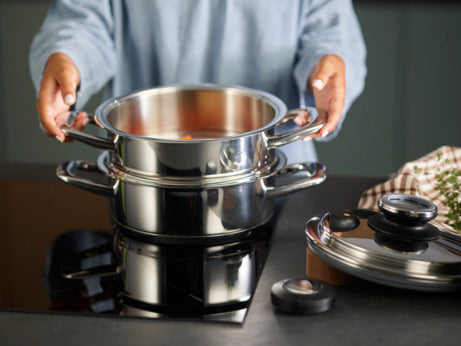
- Cover the pot: Lids reduce oxygen exposure and allow foods to cook in their own steam. This supports vitamin retention, preserves natural flavors, and keeps textures pleasant rather than mushy. Works well for vegetables and fruit.
- Shorten cooking times: Turn off the heat sooner and let residual warmth finish the cooking, especially for vegetables and fish.
- Lower the heat: Replace rapid boiling with gentle simmering and aggressive searing with controlled browning.
These changes help you benefit from low-temperature cooking without extra effort.
Habit #4: Build a 10-minute wellness cooking ritual
Add a small wellness habit to a routine you already have. Simple daily changes can make a big impact on your overall health.
For example:
- Morning: While your coffee brews, check the fridge and wash and chop one or two vegetables (carrots, peppers, cucumbers). Store them in containers for later.
- Evening: Your vegetables are already prepared—just reheat and add protein.
Planning ahead makes it easy to include vegetables in every meal with minimal effort.
You can also use this time to experiment with healthier versions of your favorite recipes.
Habit #5: Make healthy food the default, not the effort
Changing your environment makes healthy choices easier.
- Keep prepared vegetables, cooked grains, and proteins at the front of the fridge.
- Store treats and ultra-processed foods out of sight.
- Keep your most-used pan or pot on the stovetop instead of in a hard-to-reach cupboard.
These strategies work because environmental cues—like what foods are visible and accessible—strongly influence your food choices.
When the easiest option is also the healthiest, you need far less discipline to stay on track. Over time, making healthy food the default can support sustainable weight management.
How to make habits effortless—the A by AMC advantage
Good intentions can quickly fade when every step feels like a challenge: finding the right pan, chopping produce, worrying about burning dinner, scrubbing stuck-on food, and guessing doneness. Eliminating obstacles is one of the best ways to keep good habits alive. Simple behavioral triggers—like setting out cookware the night before or prepping ingredients in advance—help make healthy choices more automatic.
Practicing positive thinking can also help you stay motivated and overcome setbacks when building new habits.
Remove friction, stack habits
Pair new actions with existing routines using the strategy known as habit stacking:
- While your morning coffee brews, review what’s in your kitchen and prep ingredients for later.
- Try simple one-pot dinners that cook in the background while you handle other tasks.
- Set a goal to practice a new cooking habit a few times per week to build consistency.
Look for tools and cooking methods that don’t require constant attention for the best chance of success.
The importance of having the right tools
The core philosophy behind a cooking system like A by AMC is that healthy cooking should feel easier than less-healthy alternatives.
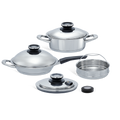
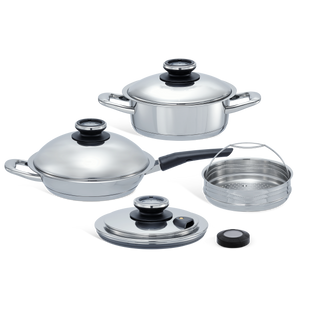
A by AMC cookware is designed with healthy, time-saving cooking in mind:
- The Visiotherm temperature indicator shows when cookware reaches the ideal low-temperature zone.
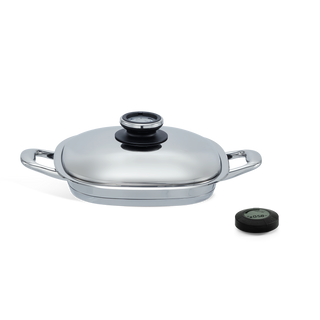
- The Audiotherm device and Cook&Go app monitor cooking and signal when to adjust heat or finish.
- Premium stainless steel supports low-water, low-oil cooking while locking in nutrients.
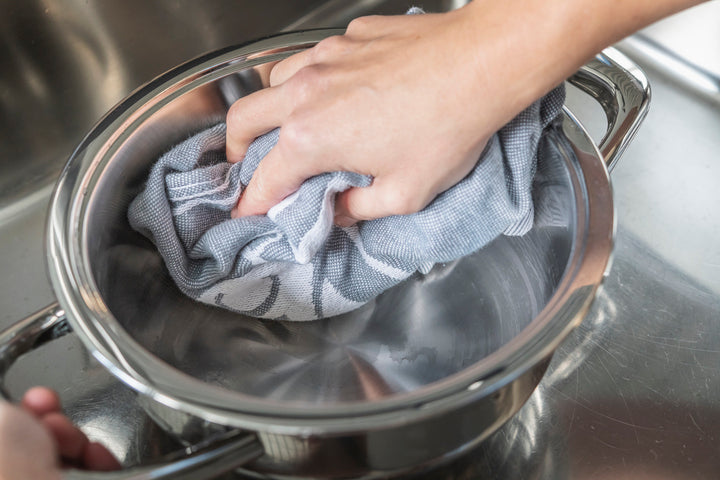
Together, these features support healthier habits: less standing at the stove, fewer ruined meals, better nutrition, and easier cleanup. Quality cookware can also reduce long-term costs by minimizing takeout and replacements.
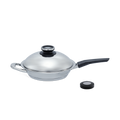
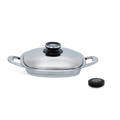
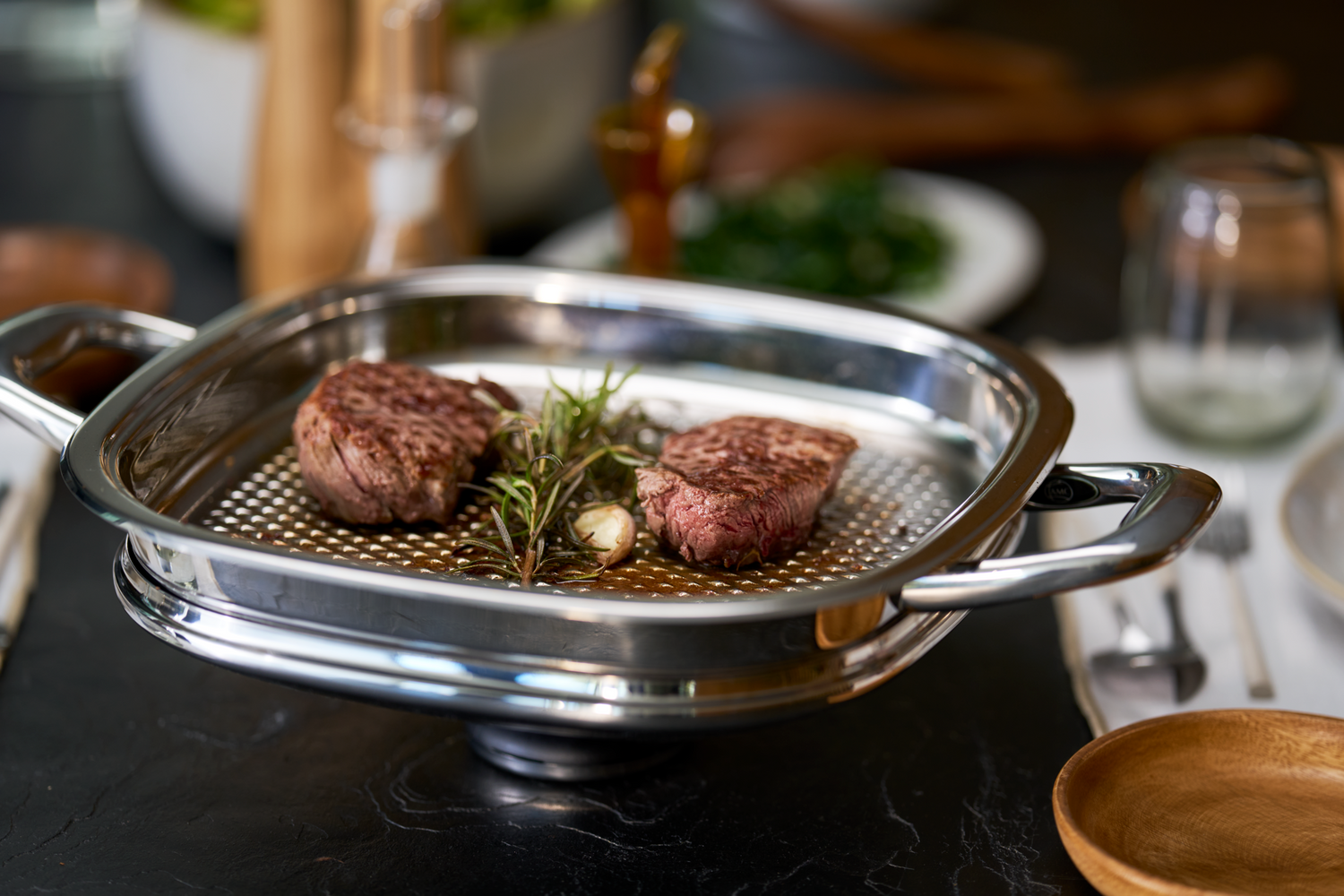
Grill Pan with Lid

This grill pan supports healthy cooking and is ideal for quick, flavorful meals:
- Diamond-pattern surface creates perfect grill marks with minimal oil.
- Akkutherm core ensures even heat distribution.
- Lid enables low-temperature finishing for nutrient-friendly cooking.
Learn more about the A by AMC Grill Pan
Your simple 7-day habit starter plan
Here are 7 micro-habits to try this week:
- Day 1: During dinner prep, chop one extra portion of vegetables and store it for tomorrow.
- Day 2: Cook a double portion of protein and store the other half for another day.
- Day 3: Try cooking dinner at a lower temperature with the lid on.
- Day 4: Add to an existing ritual: 2 minutes of morning veggie prep while your coffee brews.
- Day 5: Use half as much oil as you usually do and take note of the results.
- Day 6: Assemble a “cook once, eat twice” meal using leftovers from Days 2–5.
- Day 7: Rearrange your fridge so healthy, ready-to-use items are front and center.
Small choices, big impact
Sustainable wellness doesn’t happen by changing your entire life all at once— it’s the compound interest of everyday actions that are too small to fail. Even small healthy changes, like reducing sugar in your meals, can have a big impact on your health. When you pair micro‑habits—like cooking once and eating twice, reducing oil, and protecting nutrients through low‑temperature, covered cooking—with tools designed to remove friction, healthy eating becomes the easy default rather than the exception. If you want those habits to stick without adding another job to your plate, small changes to your environment and the right tools can do a lot of the heavy lifting.
✨ Make healthy cooking simple—A by AMC cookware makes it even easier to quietly turn small daily choices into automatic and lifelong healthy habits.
Your kitchen deserves an upgrade
Check out all of our sustainable cooking systems
Cook faster

Leave a comment
This site is protected by hCaptcha and the hCaptcha Privacy Policy and Terms of Service apply.